Rugpull: 5 Liquidity-Based Rugpull Techniques and Protection Methods
Rugpulls, hard rugs, slow rugs, lock expiry rugs and more. Five liquidity-based rug pull patterns and the exact signals that warn you before it's too late.
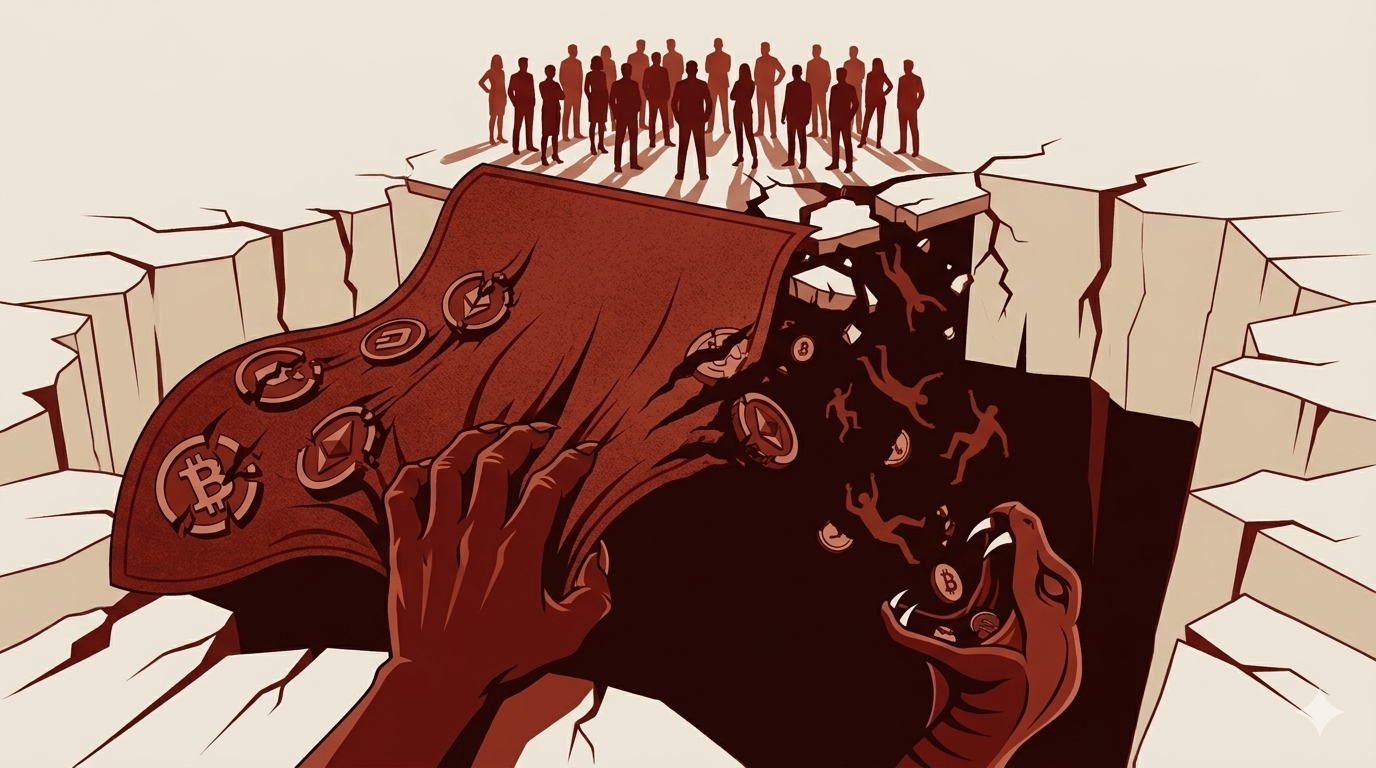
Meet the "Rugpull," one of the scams the crypto world hates the most, and its different types. Yes, Rugpulls come in many forms. Each one more frustrating and more damaging than the last. Almost every altcoin investor has lived through a Rugpull at least once. Let's start with the basics:
What Is a Rugpull?
A Rugpull is what happens when the developer team of a crypto coin or token sells off the coin/token amounts they're holding, causing the project to die. In the classic Rugpull, the dev team sells every token from their hidden or developer wallets in a single move, causing drops of 80%-90%. This action irreversibly kills the project and is what "Rugpull" means. It causes investors both financial and psychological damage. This was one of the earliest Rugpull methods, and over time it split into its own subtypes.
What Are the Types of Rugpulls?
I should note that dozens of different rug types exist in the market, things like NFT Art Rug, Staking Pool Drain, and so on. But we're going to look at the ones we run into most often and that the sector pays the most attention to: liquidity Rugpulls.
What is Hard Rugpull?
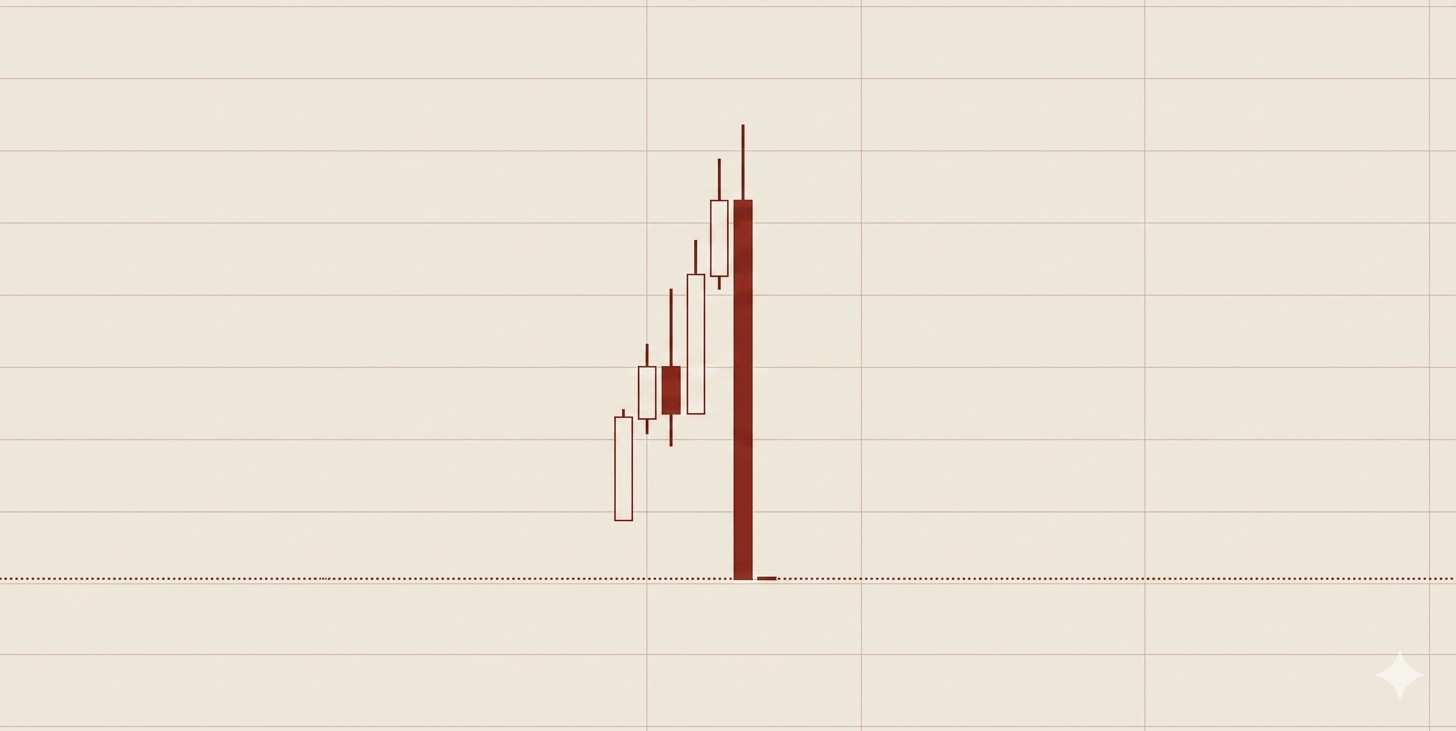
The most well known and most frequent Rugpull type is the Hard Rugpull. The developer pulls all liquidity in a single transaction, or sells every token they're holding (side wallets included), crashing the price to zero and killing the token. You see it most often in memecoins and tokens that pump suddenly. It usually plays out in tokens that are anywhere from a few minutes to a few days old. It causes both financial and psychological damage to investors. When it comes to cruelty, this one is the most innocent of the Rugpull types.
What is Slow Rugpull?
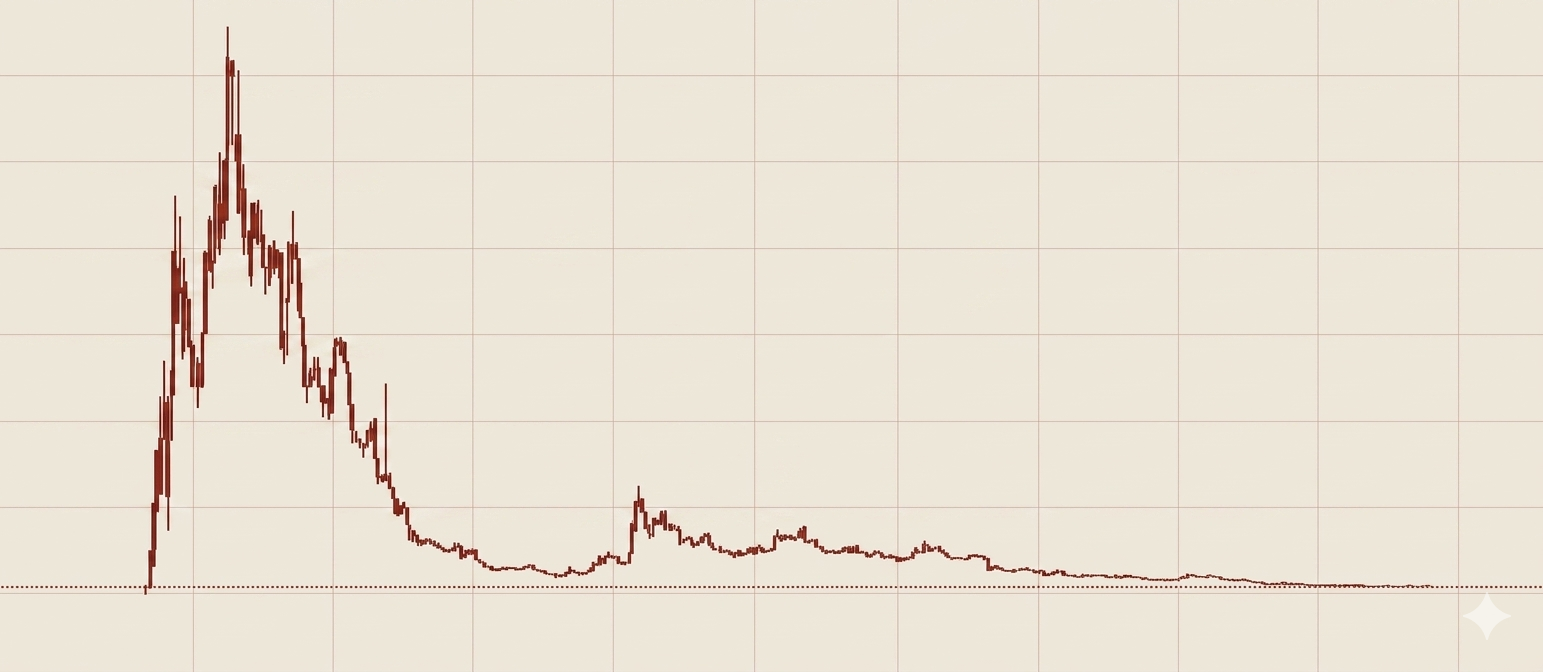
This Rugpull model is a bit more annoying than the Hard Rug. The dev team drains their full token holdings gradually through occasional sells over the long term. The market looks like it's taking occasional dumps, but internal team wallets are drip-selling. The project never actually grows. It causes investors serious financial, time, effort, and psychological damage. We can consider this the cruelest Rugpull type. It's seen most often in utility-based tokens and anonymous teams.
Tip: It's important for investors to always track Bundle, Insider, and Developer team wallets on the tokens they invest in. Catching an early sell lets you predict a "Slow Rug" attempt well before it starts. To learn how to identify team wallets, I recommend reading the "Identifying Developer Team Wallets in Crypto" piece.
What is Soft Rugpull?
This Rugpull type doesn't feature a sudden dramatic moment. The community goes quiet, project posts slow down, and after a while nothing gets posted at all. Updates stop, the project dies in silence. The team has usually already sold their tokens and walked away from the project. We can consider this the second cruelest Rugpull type. It's seen frequently in both utility-based and memecoin projects. Sometimes it's the kind of Rugpull a project is forced into because the ecosystem it lives in isn't gaining demand, isn't attracting new investors, and isn't growing technologically, leaving the team with nothing more to do. It's seen most often in ecosystems that trend suddenly and then fall. In ecosystems like Shiba or Dogechain, 99% of tokens have had to do this.
What is Lock Expiry Rugpull?
This is a Rugpull that happens when the dev team locks liquidity until a specific date, and then pulls it once that date arrives. Once the liquidity lock expires, the dev team pulls the entire pool, which is the Rugpull itself. Legally it isn't counted as a Rugpull, but morally it's treated as one. Because the fact that the liquidity would unlock on that date was already disclosed to investors. This type can happen on any kind of token. It's important for investors to always check the lock dates of tokens whose liquidity is locked.
What is Incremental LP Drain Rugpull?
The dev team pulls from the LP (pair / pool tokens) in several pieces. They dress up each withdrawal with explanations like protocol upgrade, pool migration, or tech transition to make the pulls look legitimate and lawful. As time passes, they start doing this quietly. With each withdrawal they chip away at the pool, slowly draining it without anyone noticing. But thanks to the way today's analytics tools have developed, this kind of pattern can be spotted very easily.
Spotting Rugpulls and Protecting Yourself from Them
If you ran the check from "10 Red Flags of a Crypto Scam (From 13 Years in the Trenches)" on a token and decided to buy in, you need to have a grip on the developer, Insider, and Bundle wallets to avoid getting caught in a Rugpull. The wallets that make the first purchases are a critical factor for predicting what a project will do long term. Without a grip on the first wallets, the dev team wallets, and the Bundle and Insider wallets, you simply cannot tell how a project might Rugpull. A token that looks like it's been active for a long time may already be dead weeks or even months before you realize it, and you won't see a major collapse coming until it's already happening.
F.A.Q for Rugpulls
Now let's get to the questions people really want answered. Here are the four most asked Rugpull questions and my answers.
Is a Rugpull Legal?
National laws and legal systems don't have a clear definition for it, and enforcement is very weak. That said, when larger scale, institutionally operating projects pull a rug, it's treated as illegal under definitions like securities violations or fraud. For small memecoins and utility tokens run by anonymous teams, Rugpull complaints mostly don't lead anywhere.
If the Rugpull involves influencers who previously promoted the token, or communities that presented it as investment advice, you can file complaints against those communities and individuals. And of course, morally and for the future of the crypto ecosystem, a Rugpull is not an accepted action.
How Long Should the Liquidity Lock Be?
These days, a token's pool/pair, meaning liquidity lock, should be a minimum of 1 to 2 years. Tokens with a 1 to 5 month lock period, if their team is anonymous and there's no technology planning behind them, have a high probability of being a scam. In memecoins it's generally preferred that liquidity is burned rather than locked. Burned liquidity becomes permanently and irreversibly unrecoverable for life.
Can I Recover My Money From a Rugged Token?
In most cases, no. If the token trades on decentralized exchanges (DEX), recovering your existing investment is close to impossible. However, if the token is listed on centralized exchanges (CEX), this is treated as a high-profile Rugpull, and mass class-action lawsuits get filed. Because the CEX will be carrying serious responsibility, there's no guarantee, but you may have a chance of recovering your investment.
Is an Exit Scam the Same Thing as a Rugpull?
Similar but different. Rugpulls usually play out on a DEX level. They're mechanical, fast, and mostly happen instantly. Exit scams, on the other hand, tend to happen at the CEX or platform level. They're slower and carry a more institutional-looking setup.
Was this story helpful?
Thanks, noted.